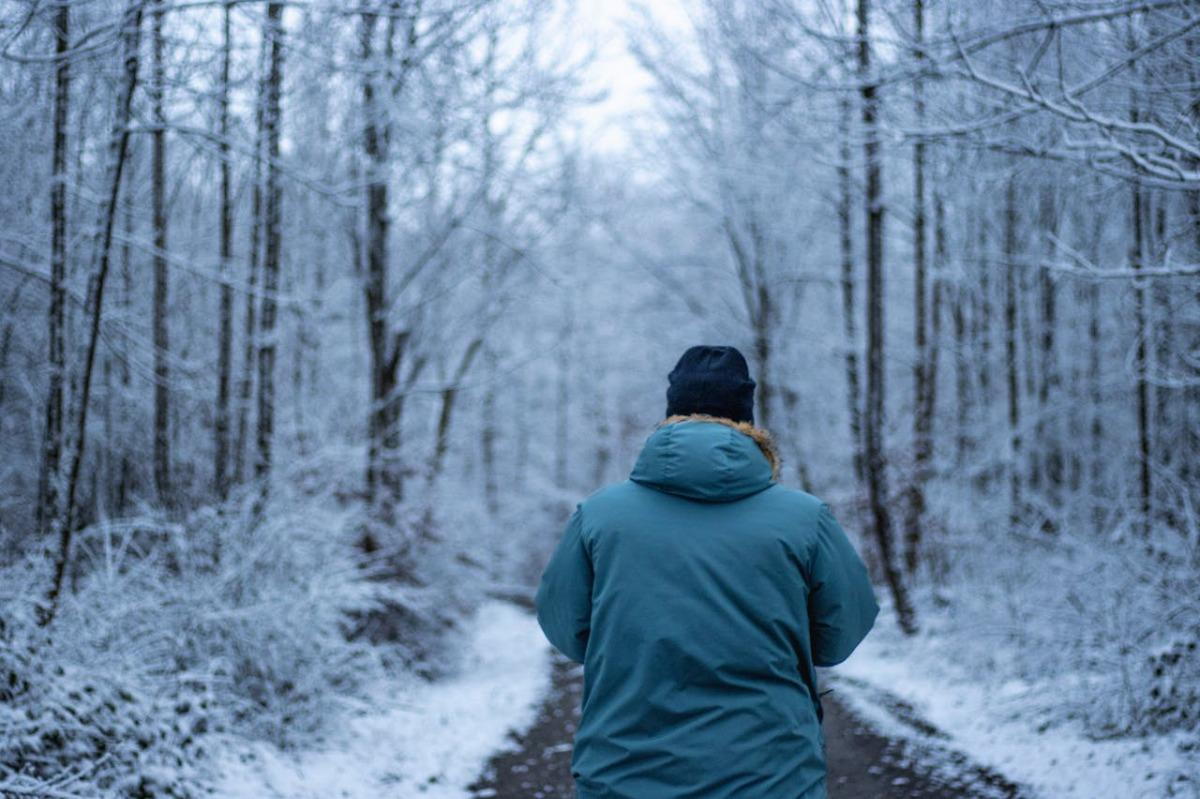
Winter isn’t officially here just yet. But, there’s no denying the days are already getting “shorter” and colder. It seems to get dark earlier this time of year, and depending on where you live, it can be overcast most of the time, even throughout the day.
The dark skies and cold temperatures can impact some people more than others, which is why millions of Americans struggle with seasonal depression each year.
But, what exactly is seasonal depression — sometimes referred to as seasonal affective disorder (SAD)? Let’s take a closer look at the possible causes, common symptoms, and what you can do to get through this winter and beyond.
What Causes Seasonal Depression?
There isn’t one singular cause when it comes to seasonal depression. However, as the name suggests, it tends to occur during the fall and winter seasons. Some of the factors believed to trigger this kind of depression include reduced exposure to sunlight, lower levels of serotonin, and more.
Your circadian rhythms can also change this time of year. Because there tends to be less daylight, your body might start to produce more melatonin. It’s a natural hormone that helps you sleep, but when you’re producing more because of increased darkness, it can make you sleepy during the day. Or, it might end up making you feel fatigued or unmotivated to do anything which can influence your mental health.

What Are the Symptoms?
Perhaps the most obvious and common symptom of seasonal depression is sadness. Sadness comes and goes for everyone, but if it lingers day after day through the fall and winter months and you can’t seem to find the joy or positivity in anything, there’s a good chance you’re dealing with seasonal depression.
Sadness isn’t the only sign. You might also feel grumpier than usual, causing you to quickly “snap” at others. Obviously, that can impact nearly every aspect of your life. Additionally, it’s not uncommon for people with seasonal depression to withdraw from the people and things they typically enjoy. Unfortunately, that can make the symptoms of depression even worse.
Physical signs like daytime drowsiness and fatigue, changes in appetite, and even a decreased sex drive are all indicators of seasonal depression, as well.
Finally, you might start to notice that you seek comfort — sometimes in unhealthy ways. There are plenty of tropes about “comfort food,” especially around the holidays. But, it’s common for people with seasonal depression to crave starchy foods, which can actually cause you to feel more fatigued while lowering your mood.
Coping With Seasonal Depression
Just because seasonal depression impacts millions of people doesn’t mean you need to dread this time of year. There are plenty of ways to cope with your symptoms and get through the season with less stress and a little bit of happiness.
Get as much sunlight as possible. Just because it’s cold doesn’t mean you shouldn’t enjoy your time outside. Go for a hike or try some fun outdoor winter activities. Even a few extra minutes of sunlight each day can improve your mood.
Speaking of winter activities, try to stay active! Exercise is a natural mood booster and a great way to fight depression. It will also make it easier to regulate your sleep patterns so you can get enough rest each night.
Finally, try not to isolate yourself and withdraw from the people and things you love. Lean on your support system and make sure you’re regularly talking to people. If you’re still struggling, consider reaching out to a mental health professional. Talking to a therapist can help you better understand your depression, while learning healthy, effective ways to manage your symptoms.
You don’t have to let seasonal depression bring you down this year. Contact us to set up an appointment for depression treatment soon.