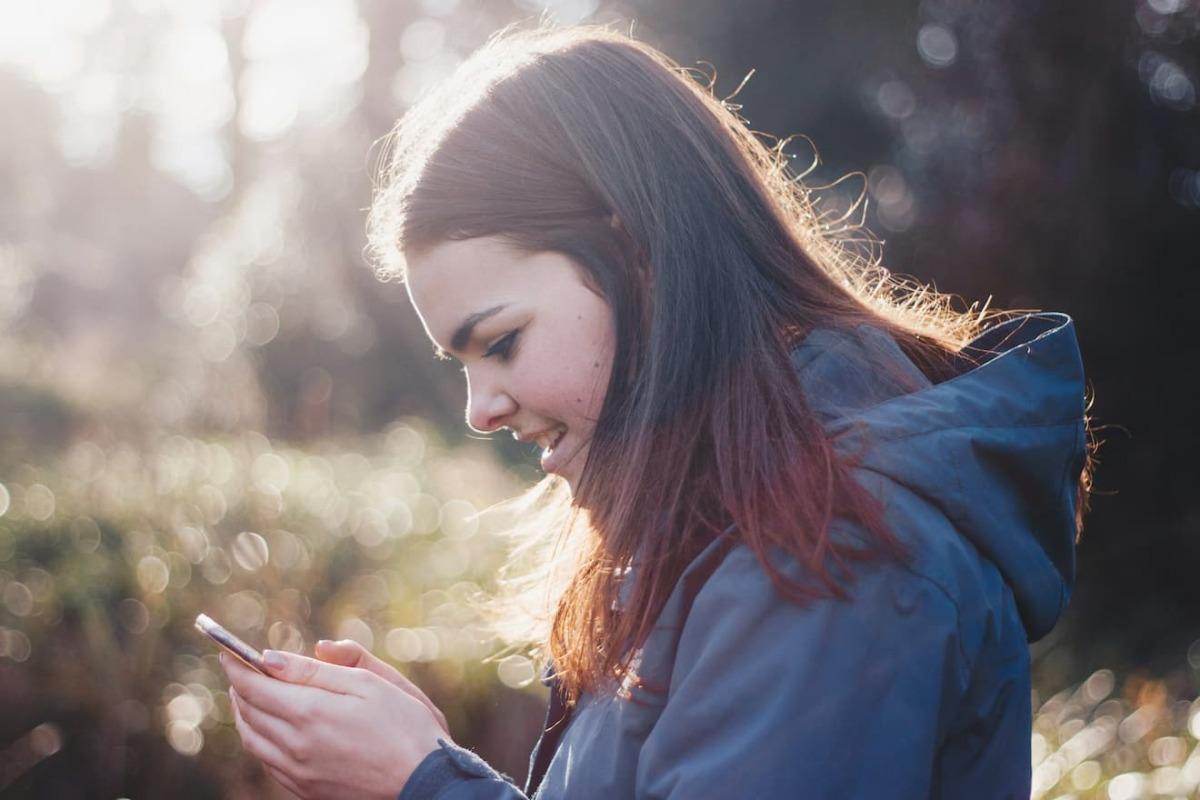
Scroll through Instagram, TikTok, or YouTube for a few minutes and you'll likely see it: glowing skin routines, perfectly curated homes, "effortless" fitness bodies, productive morning rituals, flawless relationships, and a life that somehow looks both aspirational and attainable.
Influencers often feel relatable, like friends who've figured things out. But beneath the filters and friendly captions, influencer culture is quietly shaping how many women see themselves, their worth, and their lives. And for mental health, the impact can be deeper than we realize.
The Illusion of Relatability
One reason influencer content is so powerful is that it doesn't feel like traditional advertising. Influencers often share personal stories, struggles, and behind-the-scenes moments that create a sense of intimacy.
But even "authentic" content is curated. What we usually see is the highlight reel rather than the full picture, vulnerability that's edited and timed, and success without showing the privilege or support behind it. This blurs the line between real life and performative reality, making comparison feel unavoidable.

Comparison Culture and Quiet Self-Criticism
Humans naturally compare, but social media turns comparison into constant background noise. Many women report feeling behind in life after scrolling, questioning their appearance or productivity, and experiencing subtle but persistent self-criticism. Even when you know intellectually that influencers don't represent real life, emotional comparison still happens. Over time, this can erode self-esteem and contribute to anxiety or low mood.
The Mental Load of "Doing It All"
Influencer culture often promotes the idea that you can and should do everything well: have a successful career, maintain a toned body, keep a beautiful home, show up as a present partner or parent, and prioritize self-care daily. While framed as empowerment, this messaging can quietly reinforce unrealistic expectations. Instead of feeling inspired, many women feel overwhelmed, inadequate, or exhausted trying to measure up. These are the kinds of feelings that can make anxiety therapy so helpful.
Body Image and the Normalization of Perfection
Even as body positivity gains visibility, idealized bodies still dominate influencer spaces, often disguised as "wellness" or "health." Subtle messages can include moralizing food choices, equating thinness with discipline or worth, and promoting "fixes" for normal bodies. Repeated exposure to these images can distort body perception and increase dissatisfaction, even among women who previously felt comfortable in their skin.
Emotional Labor and Parasocial Relationships
Influencers often feel emotionally accessible. You may follow their lives, know their routines, and feel invested in their struggles and wins. While this can feel comforting, it can also create one-sided emotional attachment, replace real connection with passive consumption, and increase loneliness rather than reduce it. Feeling connected without being truly known can leave an emotional gap that's hard to name.
Why This Impact Is Often "Quiet"
Unlike obvious stressors, influencer culture rarely feels overtly harmful. The effects are subtle and cumulative: a little more self-doubt, a little less contentment, a constant sense of not quite measuring up. Because it's normalized and woven into daily scrolling, many women blame themselves rather than the system influencing them.
Protecting Your Mental Health While Staying Online
You don't have to quit social media entirely to reduce its impact. Small shifts can make a meaningful difference. Consider curating your feed to include diverse and realistic voices, unfollowing accounts that trigger comparison or shame, limiting scrolling during vulnerable moments, and noticing how content makes you feel rather than just what it shows. Awareness is often the first step toward reclaiming agency.
If social media use is contributing to chronic comparison, anxiety, body image distress, or feeling "behind" in your life, therapy for anxiety can help unpack these messages and reconnect you with your own values, outside of algorithms and curated lives. We provide compassionate support to help you navigate these challenges and rediscover what matters most to you. Contact us today!